50 Shops, 3 Regions,1 Broken Experience
Role: UX/UI Designer (Research Lead)
Context
The Problem
The cost was real. Painters were losing time to workarounds. Shops were absorbing that inefficiency. And BASF's ability to grow Refinity's footprint was stalling — not because the product couldn't deliver, but because nobody fully understood what was blocking it.
Client: BASF Coatings
Scope: NA, EU, and Asia
Time: 2023-2025
Refinity is BASF's global color management platform, used daily by painters and shop managers across North America, Europe, and Asia. On paper, one product. In practice, several disconnected ones.
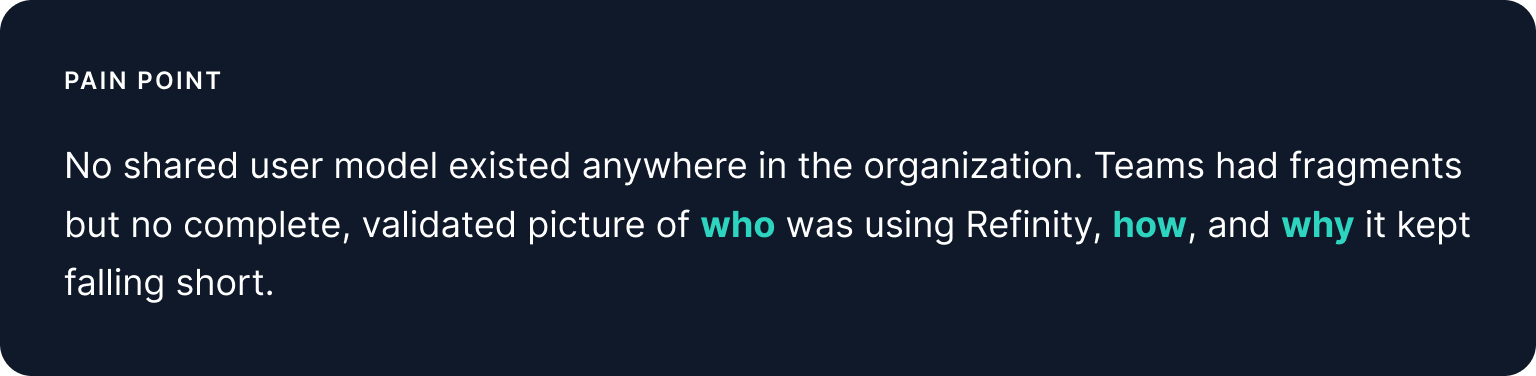
When I joined the team, I had basic questions nobody could answer. Who are our users? How do they actually work? What's blocking shops from switching off legacy systems? Even something as fundamental as whether painters were on touchscreens or desktops was unclear — despite existing design choices strongly suggesting touch.
My Role
I led this initiative end-to-end — planning and executing fieldwork across roughly 50 shops in North America and Europe, coordinating with a local UX research team in Asia, and synthesizing findings into a prioritization framework that informed roadmap decisions across six product teams.
This wasn't a research-then-handoff engagement. I stayed in the work through prioritization sessions, roadmap planning, and ongoing stakeholder alignment.
Approach
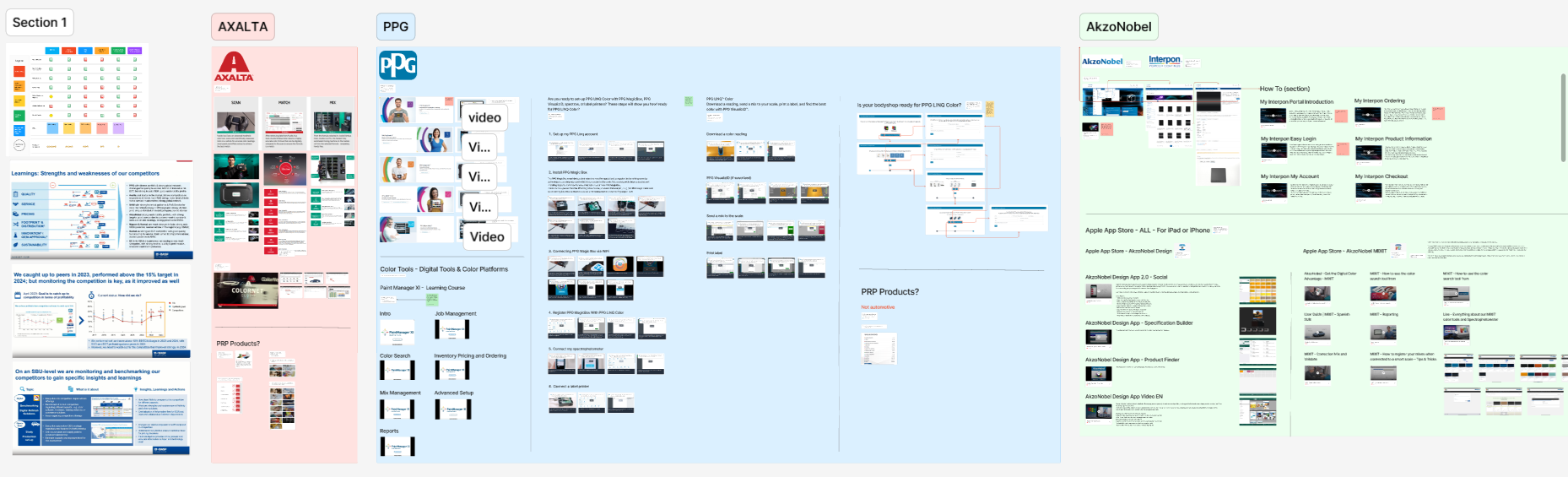
Before heading into the field, I ran a competitive analysis on key players in the space — clarifying our niche, surfacing where competitors were winning on experience, and sharpening my questions going into fieldwork.
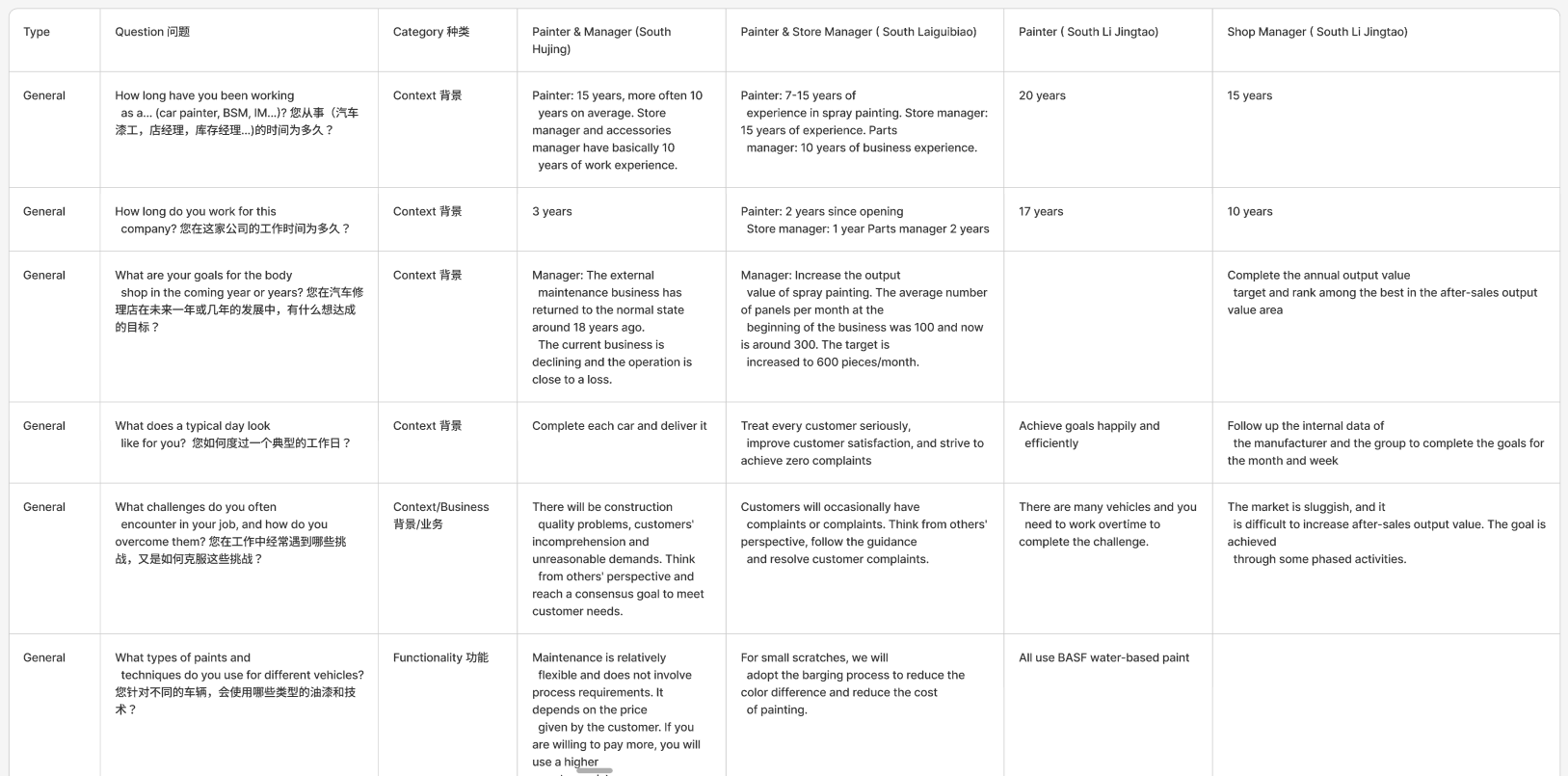
Research ran across three regions — NA, EU, and Asia — each with different user contexts, hardware environments, and workflow norms. The goal wasn't regional snapshots. It was one unified model that could distinguish a local quirk from a systemic issue.
Field Research
North America & Europe
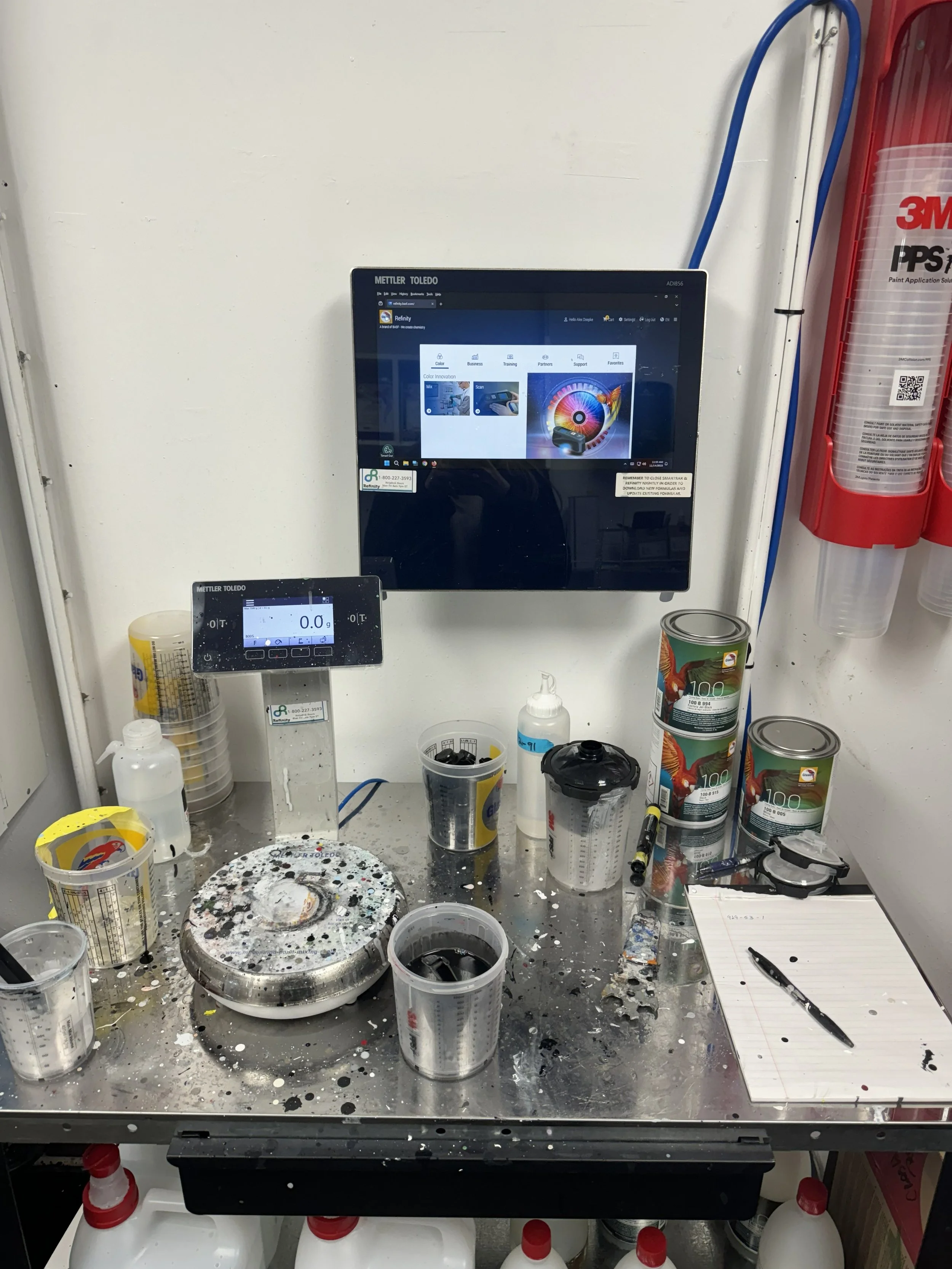
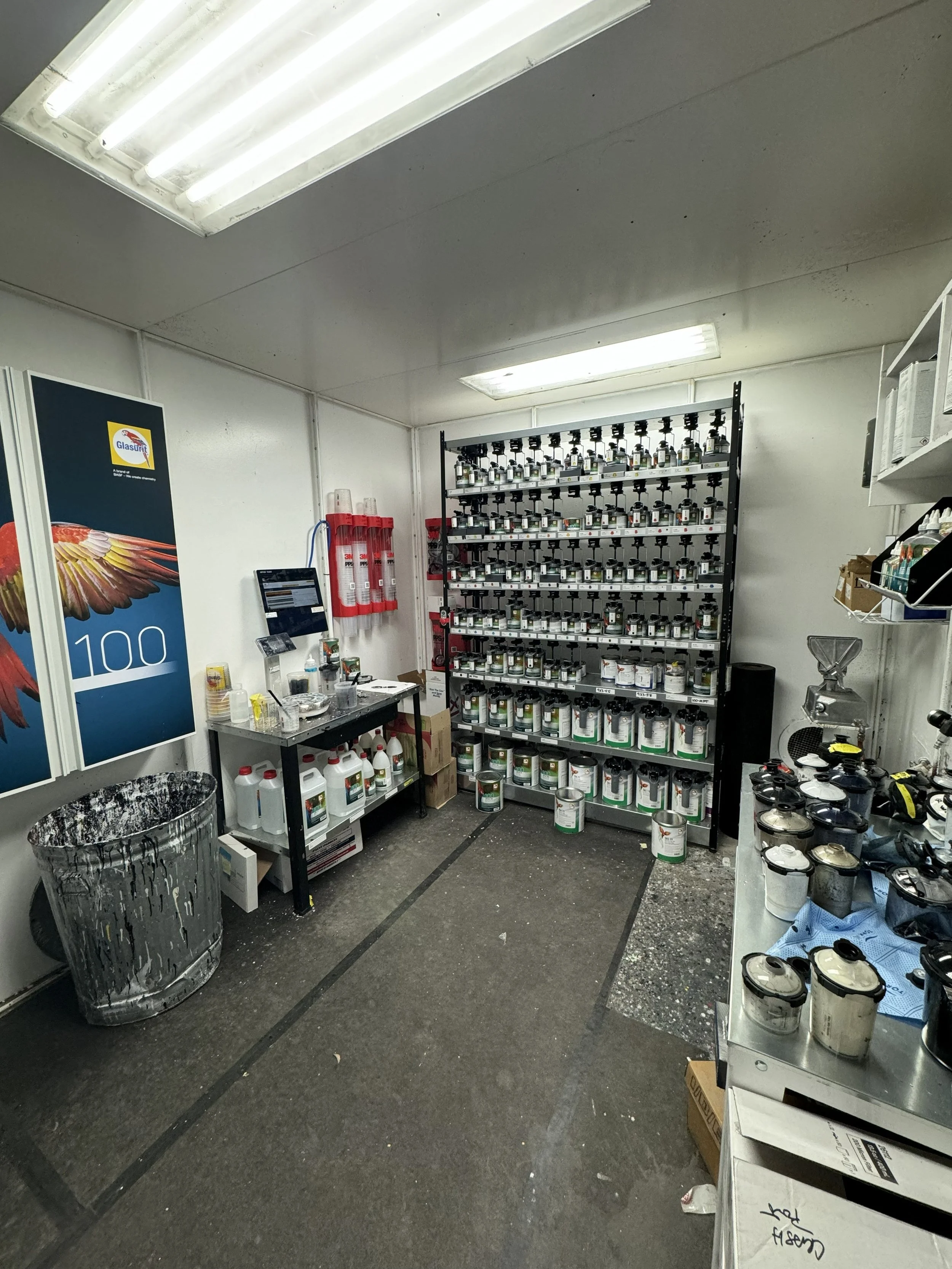
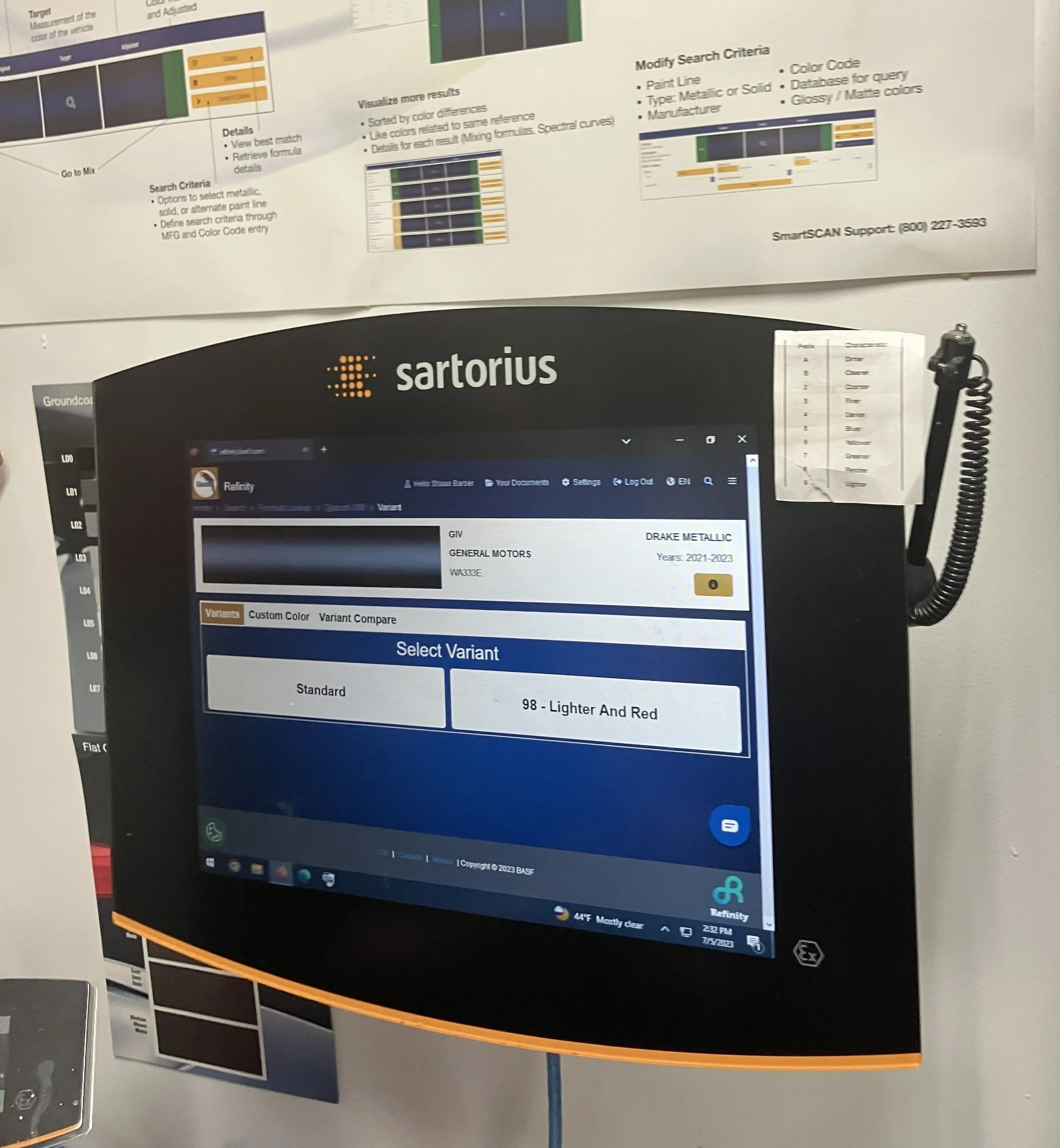
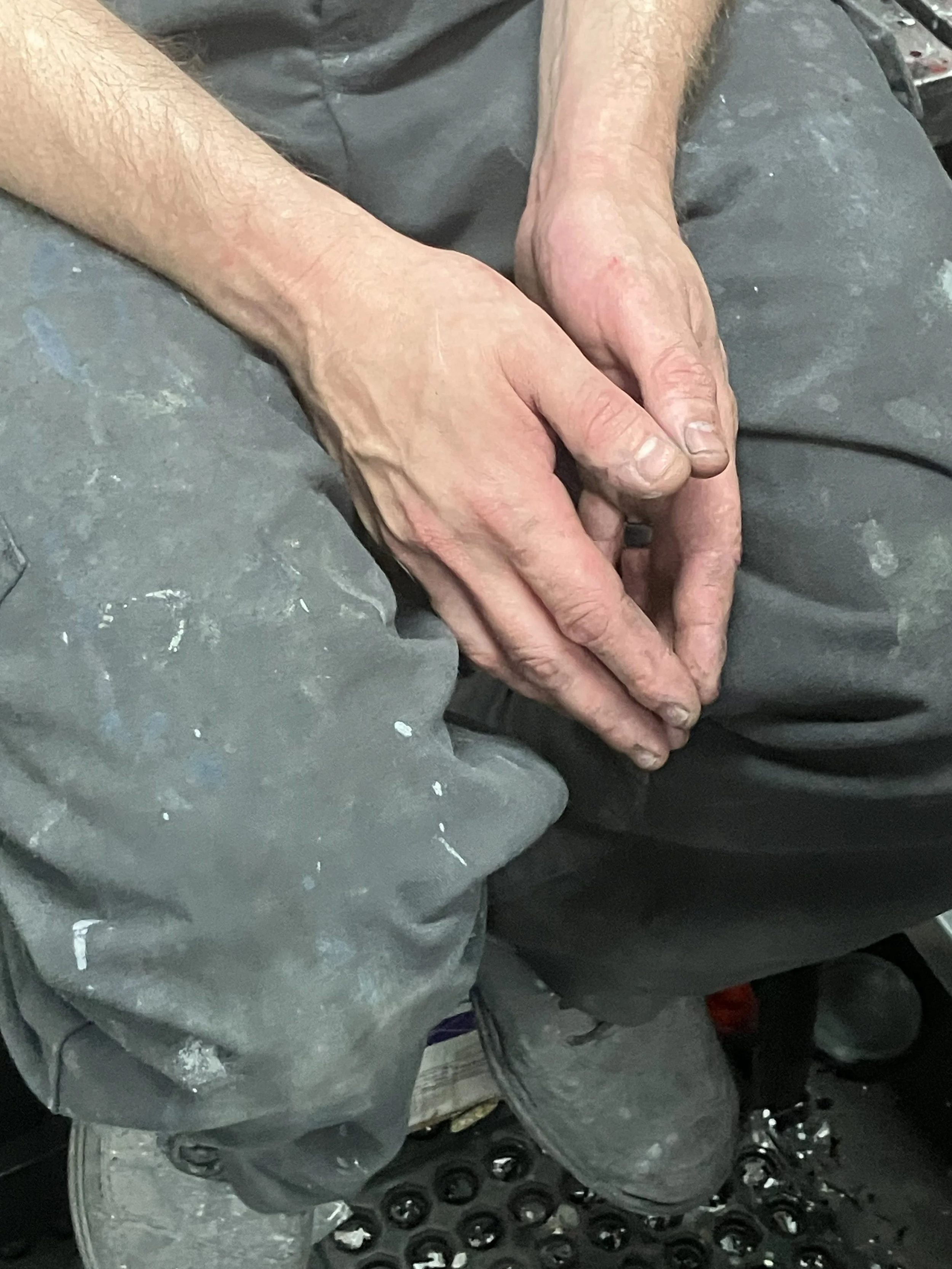
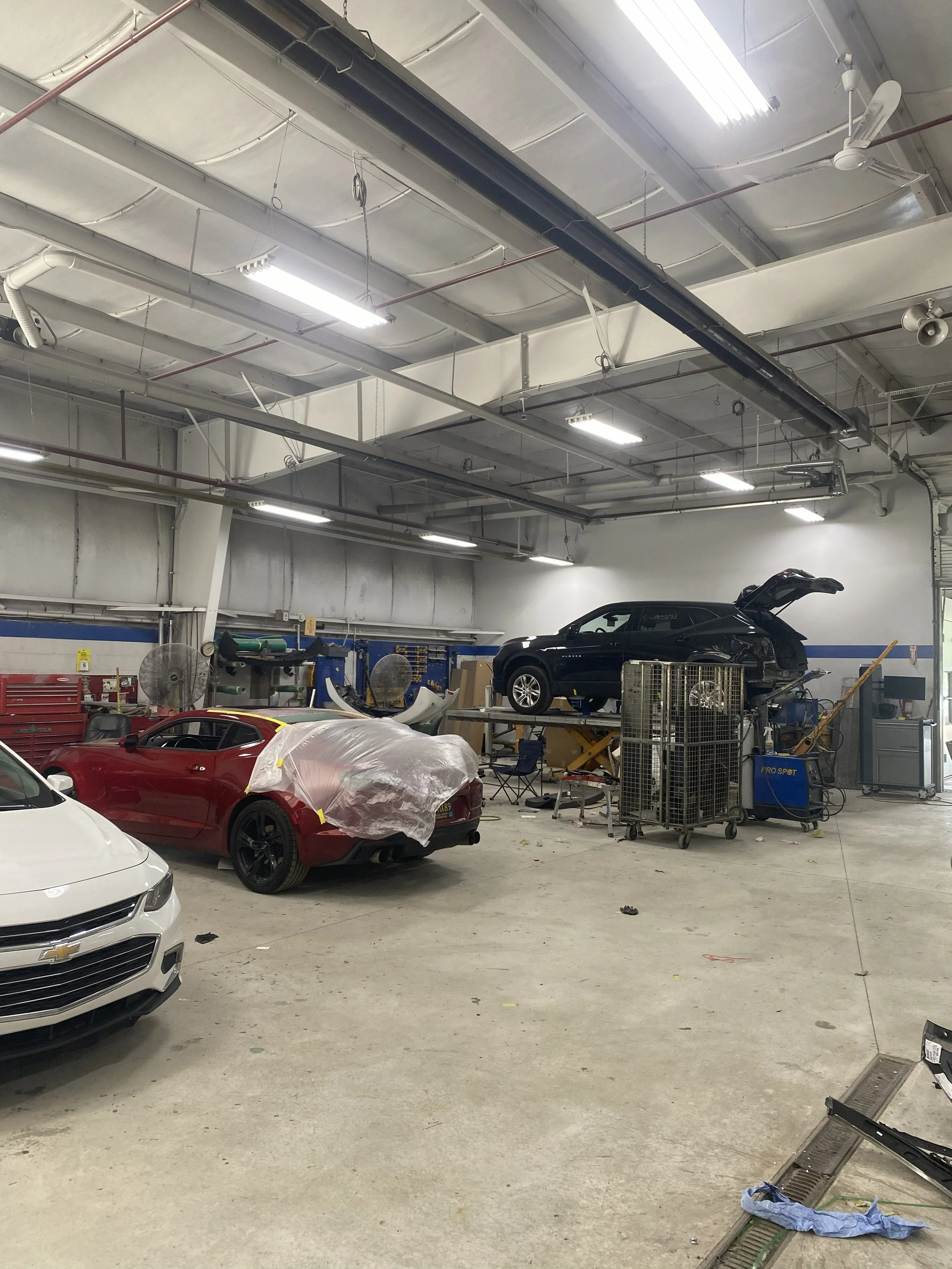
In-person field visits to active body shops — observing painters in their actual environment rather than relying on self-reported behavior or remote sessions. What field visits make visible that no screen recording can: painters work in noisy, fast-paced environments, often with gloves on, moving constantly between vehicles, mixing stations, and booths. That environmental reality became a foundational constraint for every design decision that followed.
Asia
Research was led by a local UX partner team. My role was planning, writing question frameworks, and leading synthesis to ensure APAC findings integrated with global conclusions. The questions couldn't be shaped by a NA/EU lens — otherwise findings would reflect our assumptions, not their reality
-
![]()
Wall Mounted Touchscreen
-
![]()
Painters Hands
-
![]()
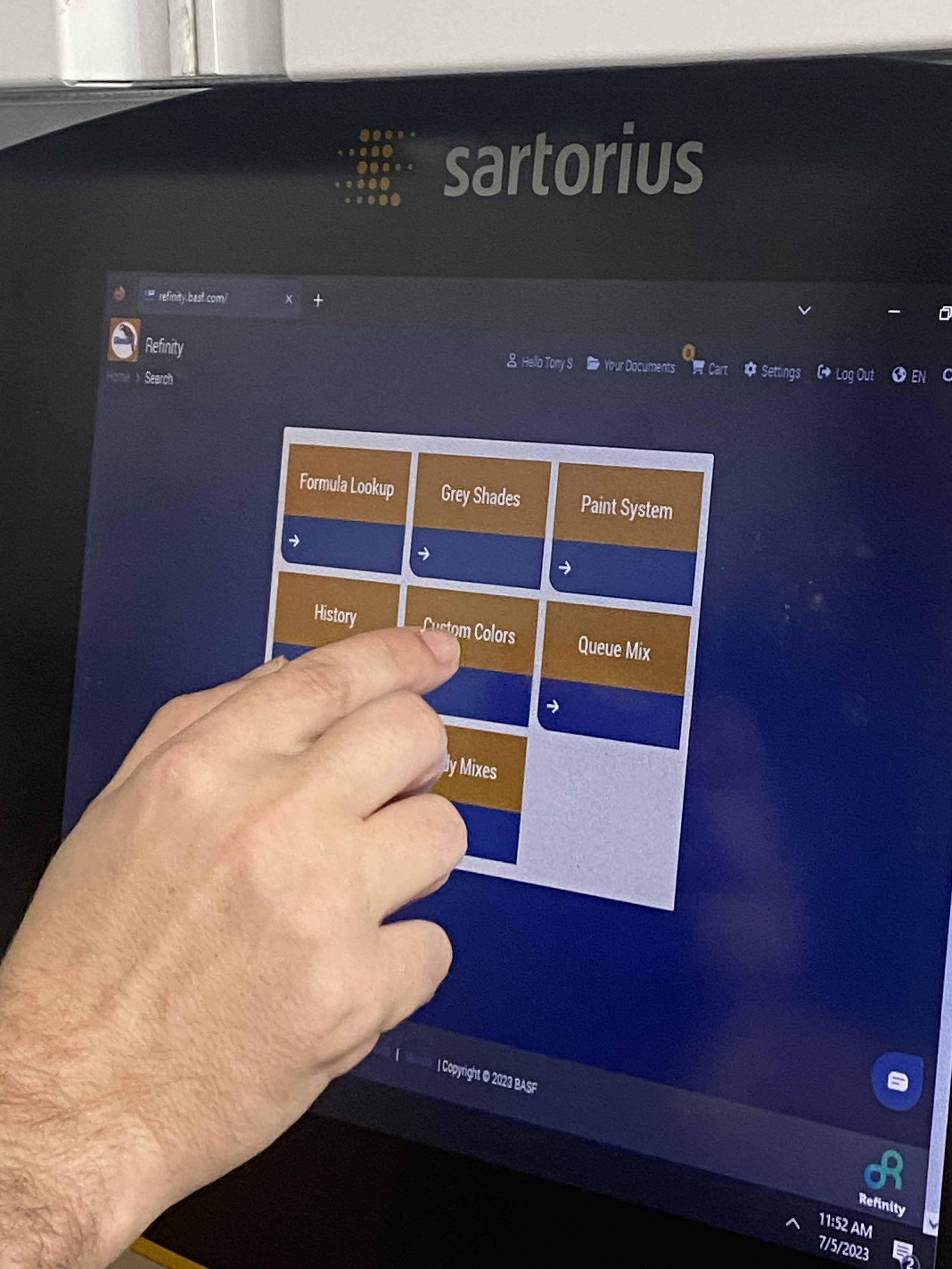
Navigating Refinity
-
![]()
Inside The Shop
Mapping the Persona
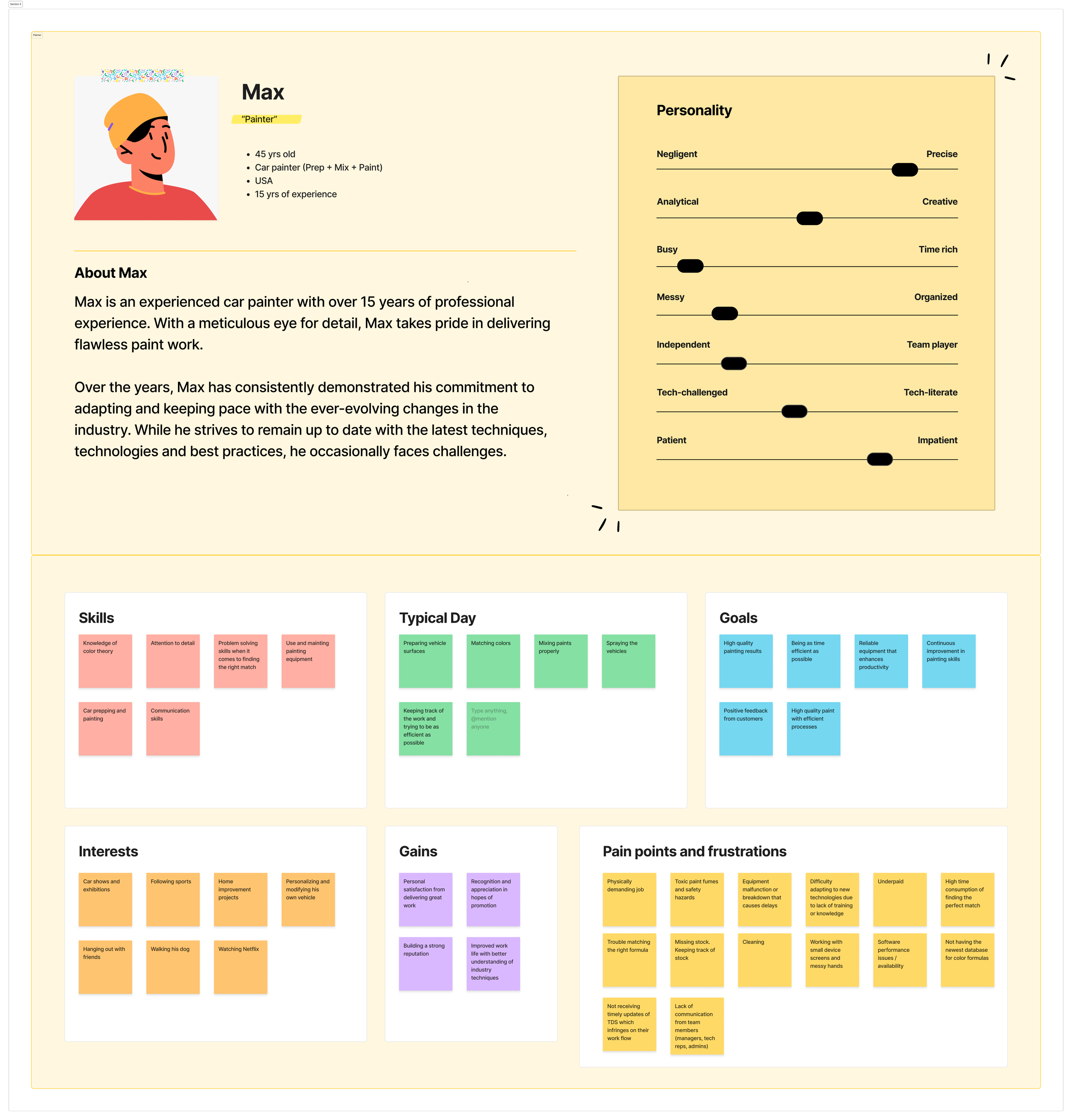
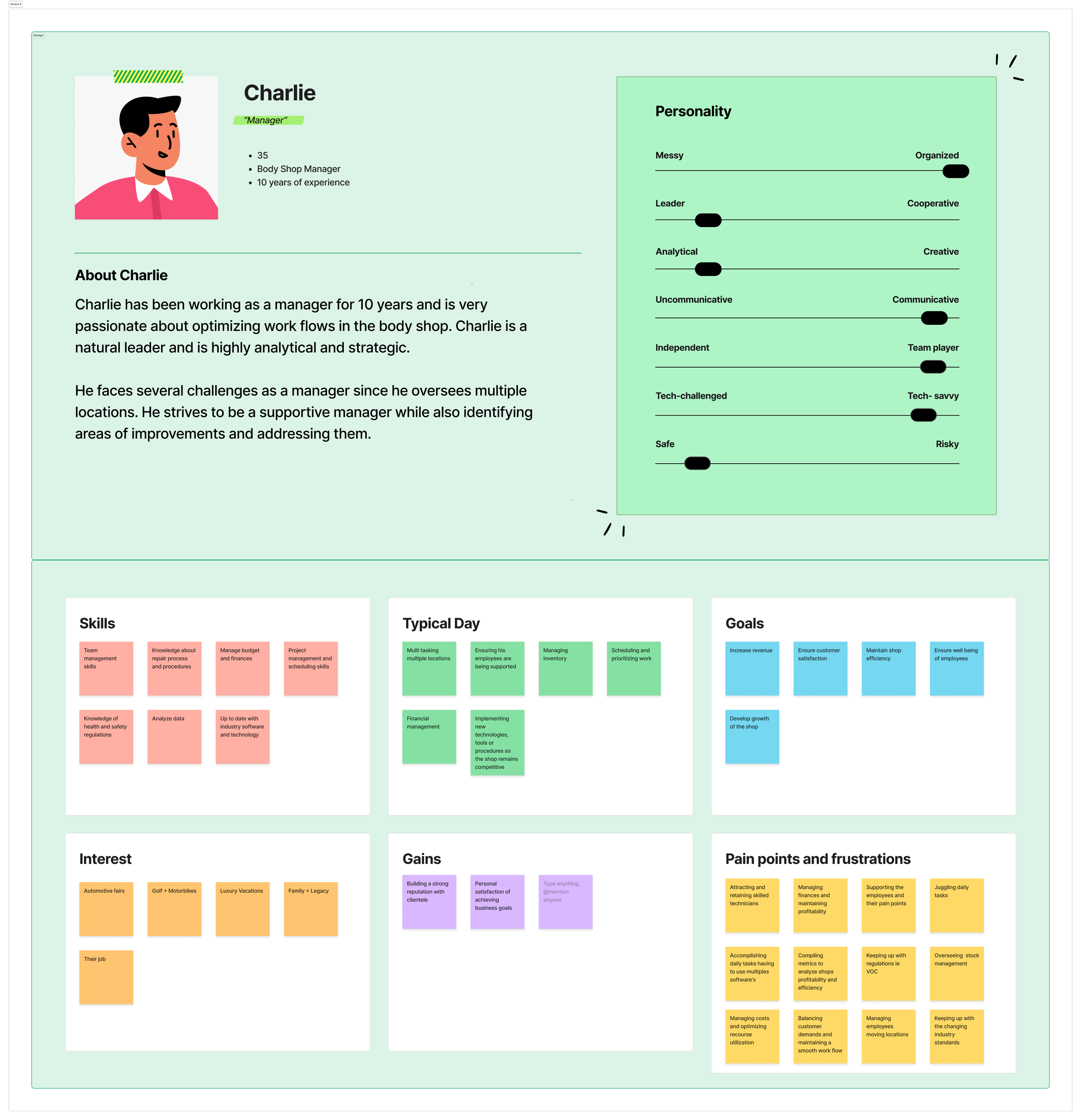
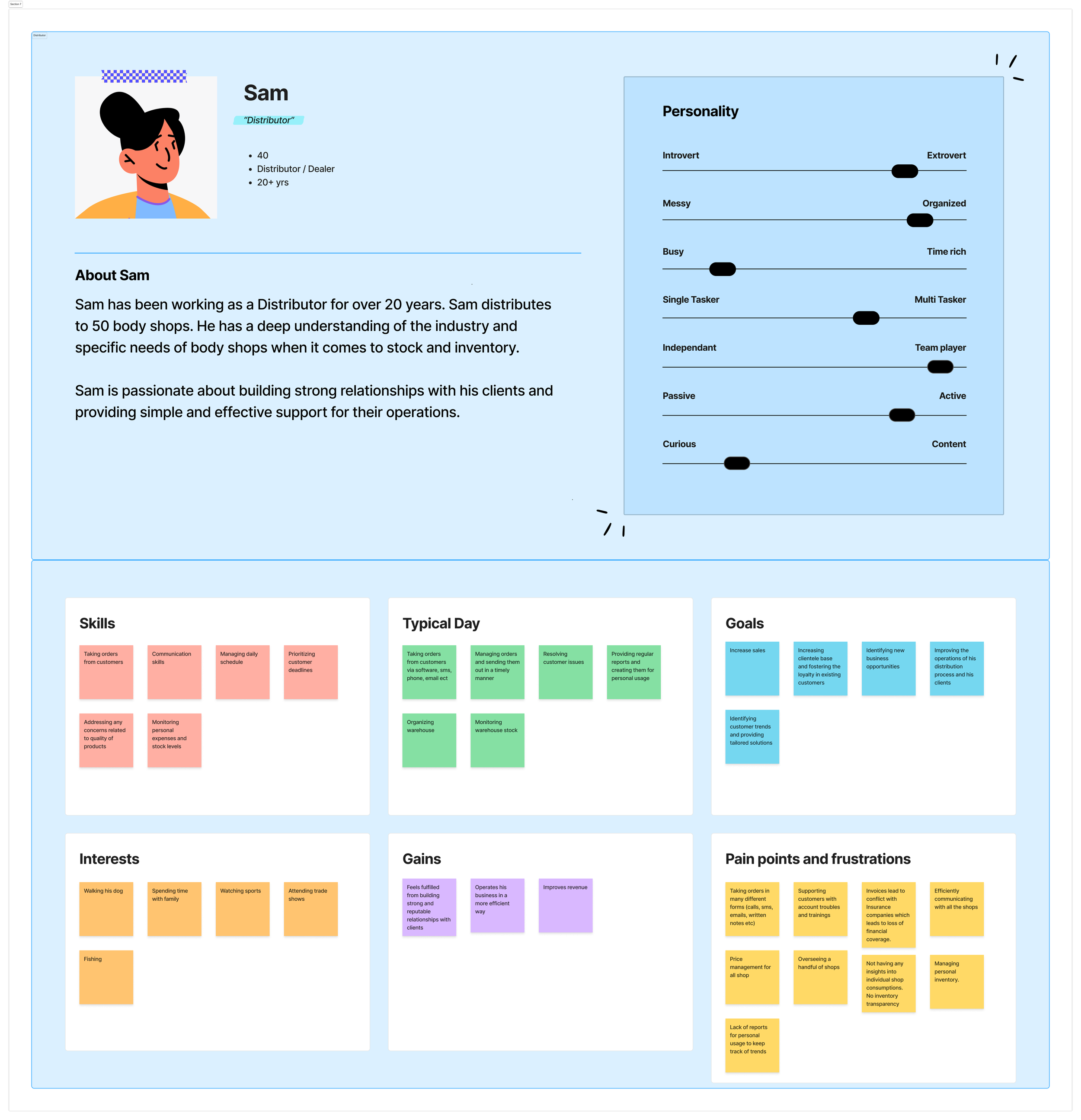
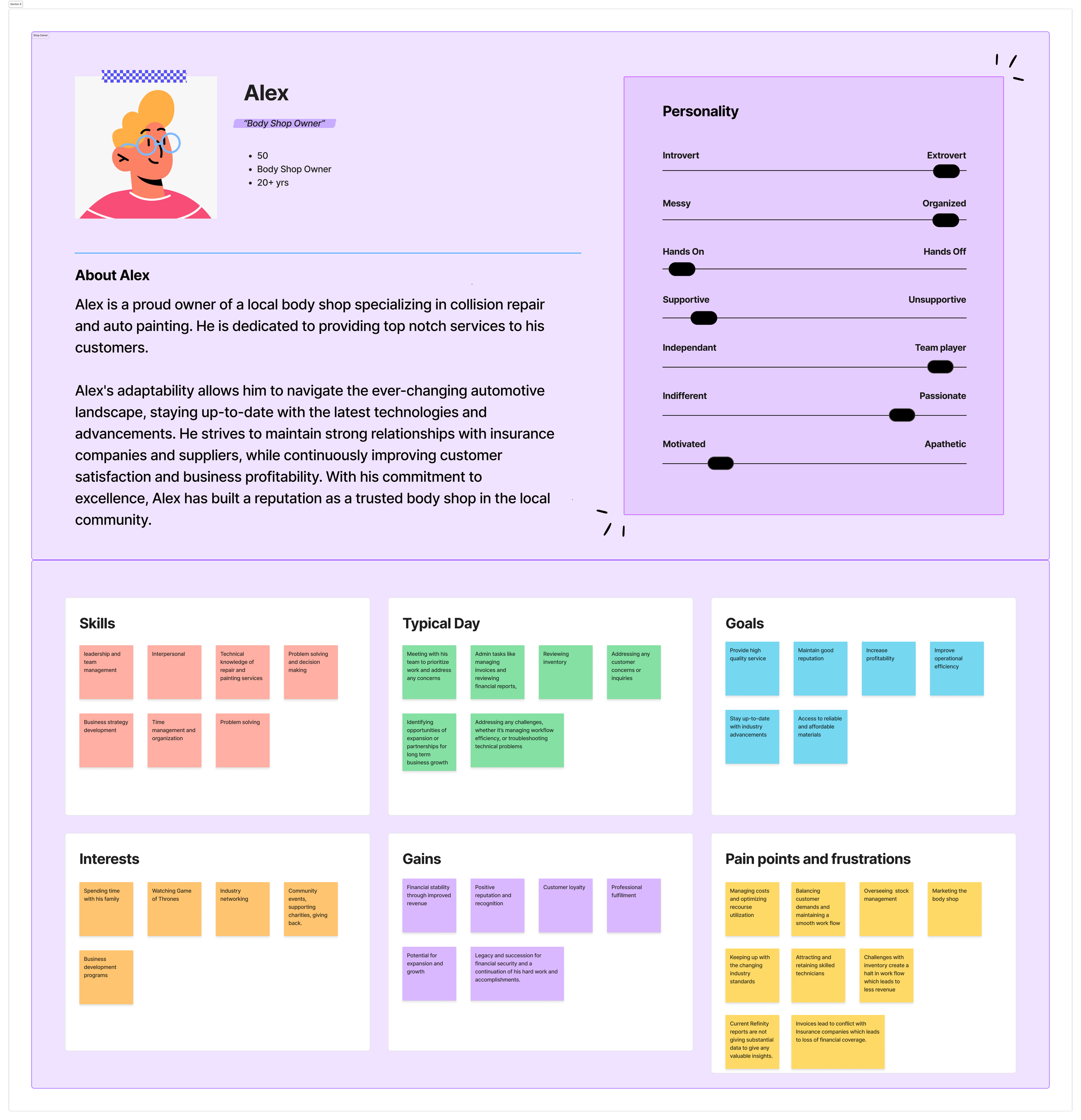
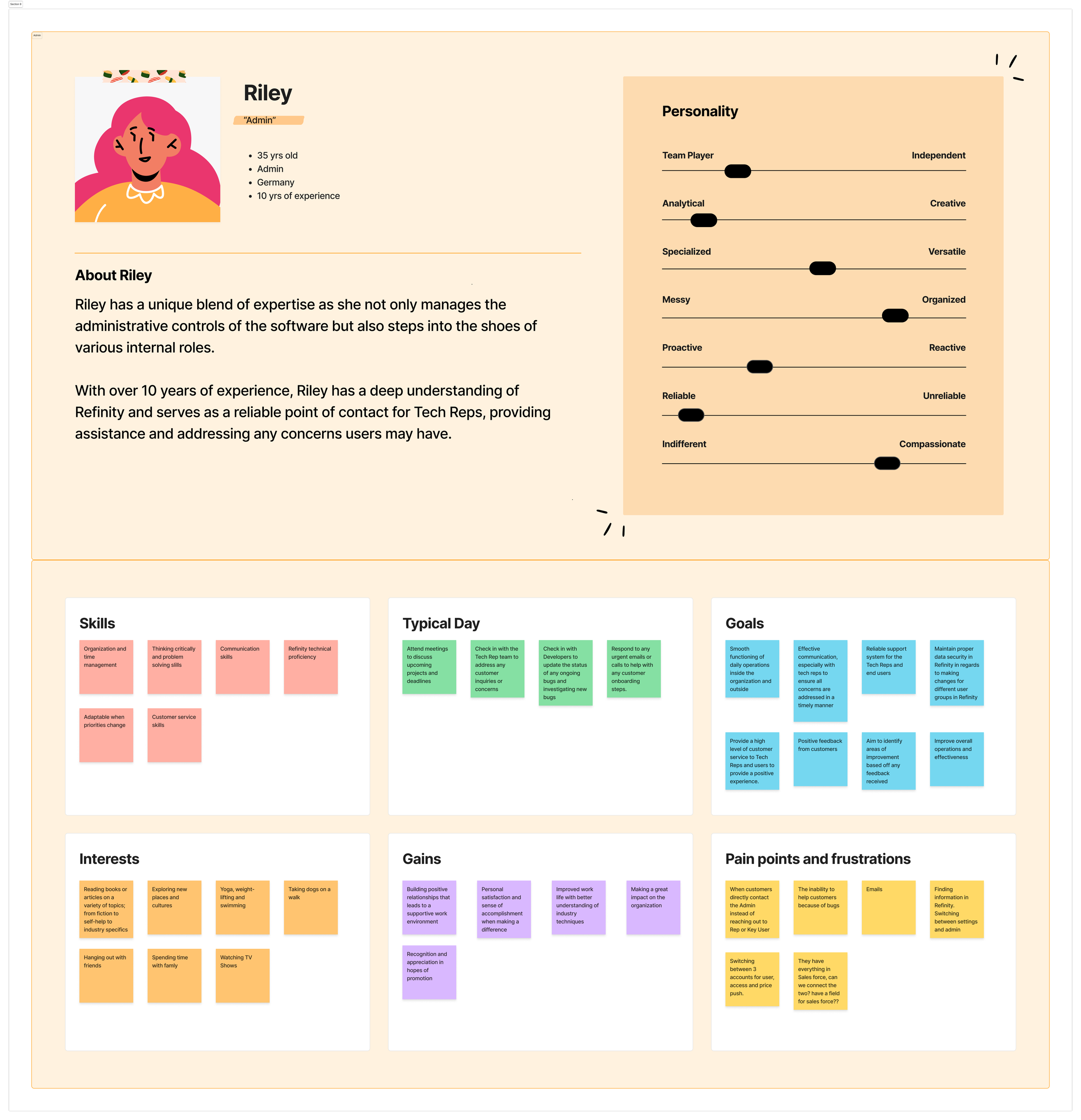
Insights from the field visits informed the creation of a dedicated painter persona that represented their goals, constraints and end to end color workflow. This persona became the shared reference that grounded decisions across six product teams, preventing design from drifting back toward assumptions.
Painter / Technician: speed, accuracy, minimal interruption
Shop Manager: visibility, reporting, operational clarity
Distributor: ordering efficiency, inventory accuracy
Enterprise Manager: standardization, scalable metrics
-
![]()
Painter
-
![]()
Body Shop Manager
-
![]()
Distributor
-
![]()
Body Shop Owner
-
![]()
Admin
Prioritization
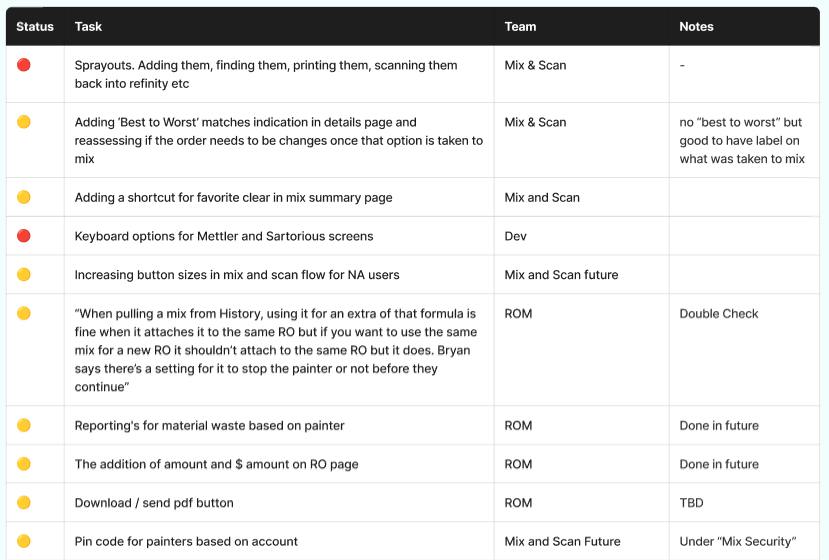
Insights were translated into a structured opportunity framework, mapped by severity and frequency across regions. Findings that recurred across NA, EU, and APAC were treated as systemic issues; region-specific findings were documented separately for local team use.
The framework was replicated across all field visits and used directly as input into roadmap planning — not as a research artifact that sat in a folder, but as a live reference that PMs and leads could interrogate.
What The Research Actually Surfaced
Some findings confirmed what teams suspected. Others reframed the problem entirely.
The hardware constraint nobody had accounted for:
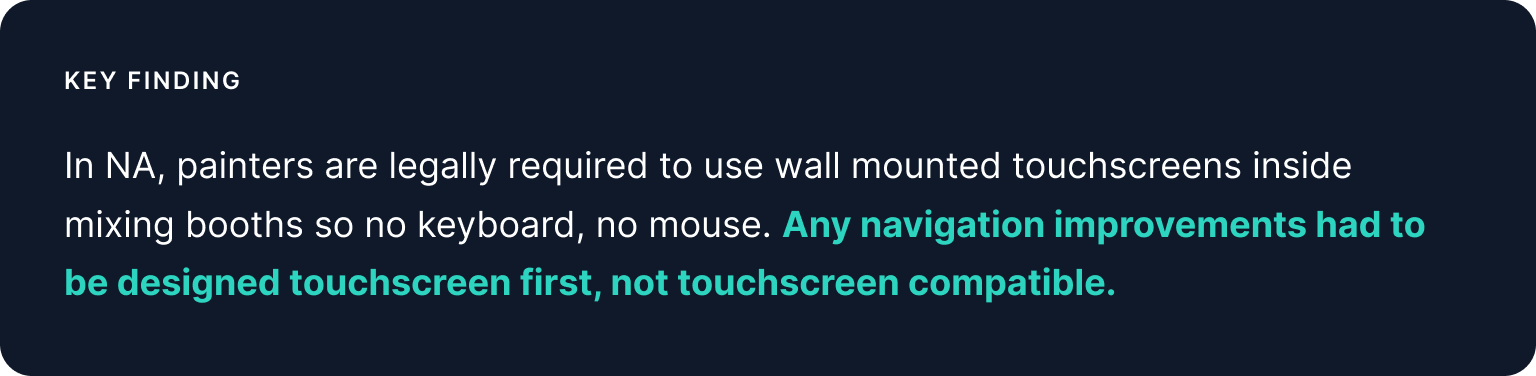
This was the answer to the question I'd walked in with. The existing platform had been pointing at it the whole time — nobody had just gone to confirm it. It meant any navigation improvements had to be designed touchscreen-first, not touchscreen-compatible.
The experience was the barrier to adoption:
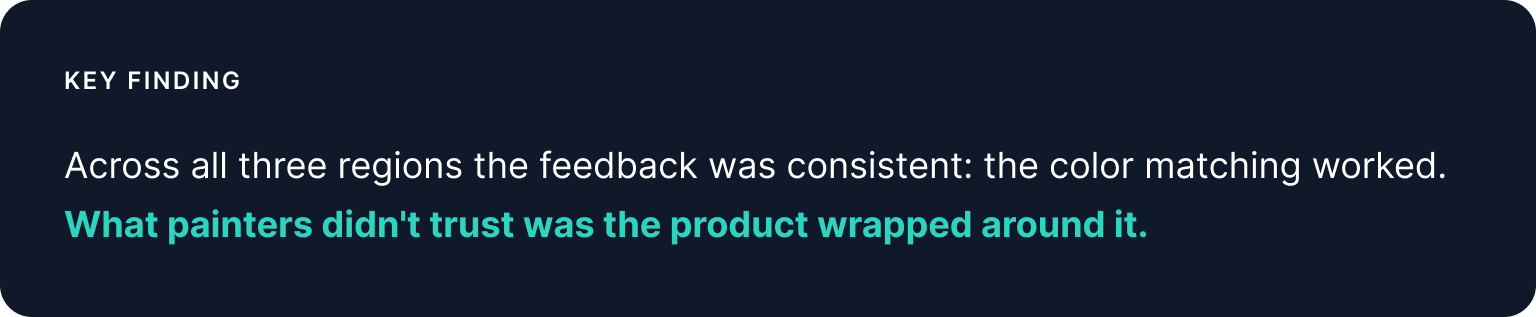
Shops still on legacy systems didn't want to switch. New painters didn't want to invest time learning a tool they'd already heard complaints about. It wasn't about surfacing feature requests — it was about identifying what was blocking adoption at scale.
The Color and Business modules needed stabilization, not expansion:
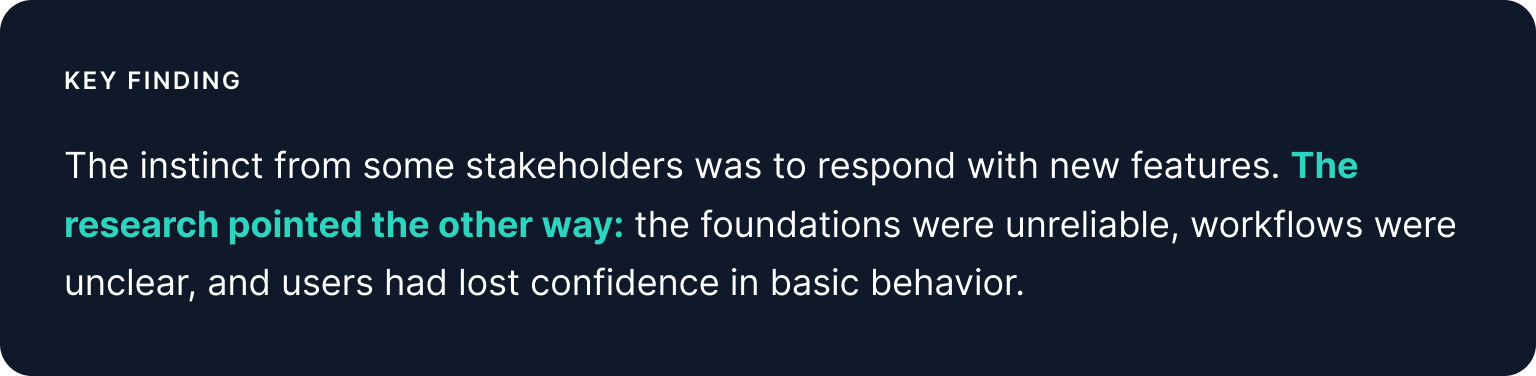
Get the fundamentals right before building on top of them. That recommendation directly shaped the prioritization framework and influenced backlog decisions across every team.
Impact
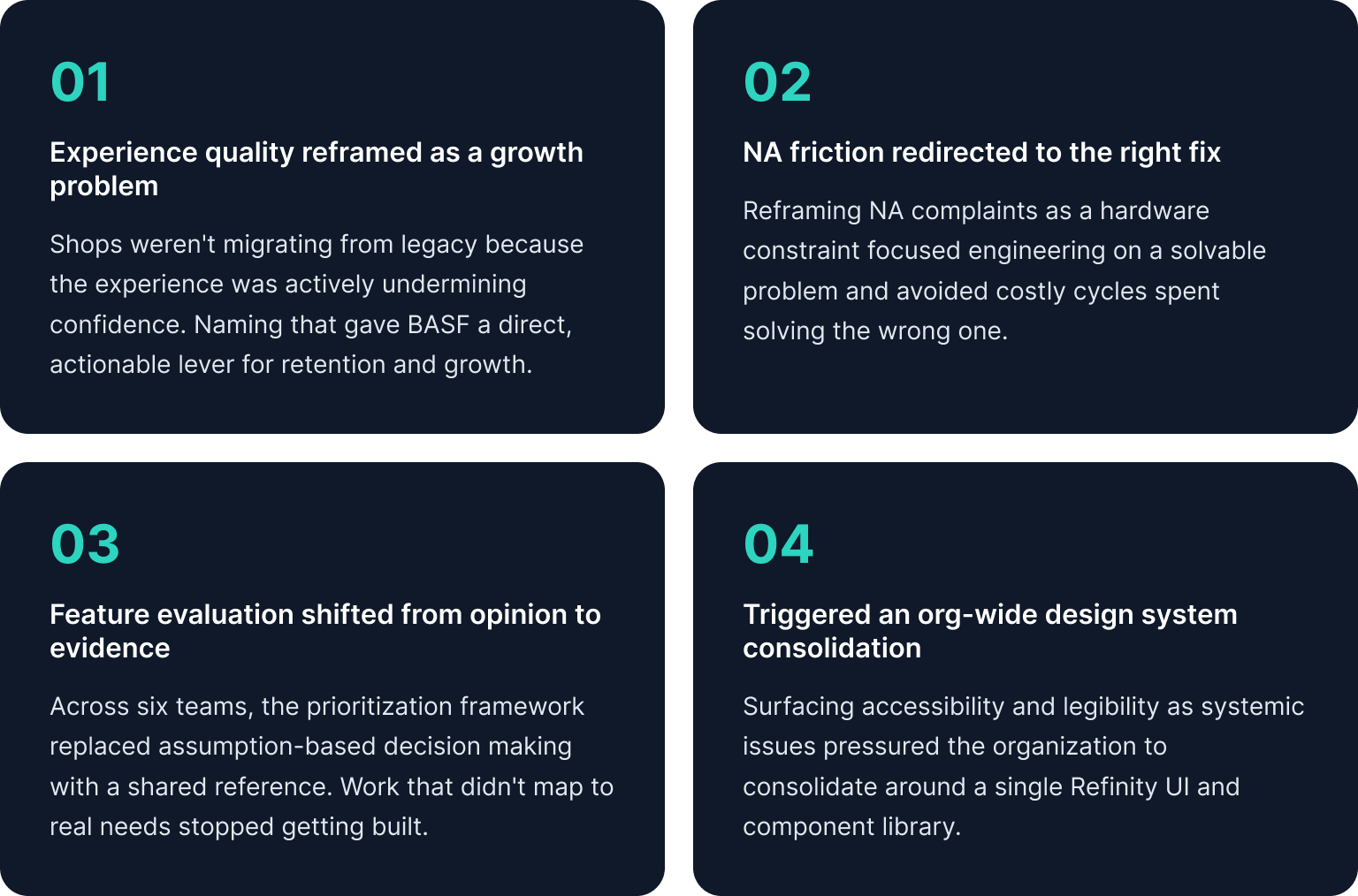
Reflection
Research's real value isn't in the findings — it's in what happens after you deliver them. Getting insights into a document is the easy part. Getting six teams to reorder their backlogs and trust a unified user model over their own assumptions — that's the actual work.
The touchscreen finding stuck with me. I walked in with a hunch based on what I was seeing in the UI. The field confirmed it. That's the part of research that's hard to replicate remotely — the environment tells you things users don't think to say.
If I did it again I'd push even earlier to be in the rooms where backlog decisions were being made. The research was strong. The gap was always in the translation.